


Big Snowmaking Investments Pay Big Dividends
When we announced the purchase and installation of 1,000+ new low-energy snowguns in the fall of 2024, we presented a lot of numbers to try to put the investment into context. $7 million was spent on snowguns that could be up to eight times more energy efficient than older models, leading to approximately 5.8 million pounds of carbon emissions saved per year. Now that all 1,044 of the new snowguns have been installed and in full use this winter, we chatted with both Greg Gleason, Killington’s Snowmaking Manager, and Corey Tredtin, Killington’s Mountain Ops Night Operations Manager, to give more context on just how much this investment has already paid off.
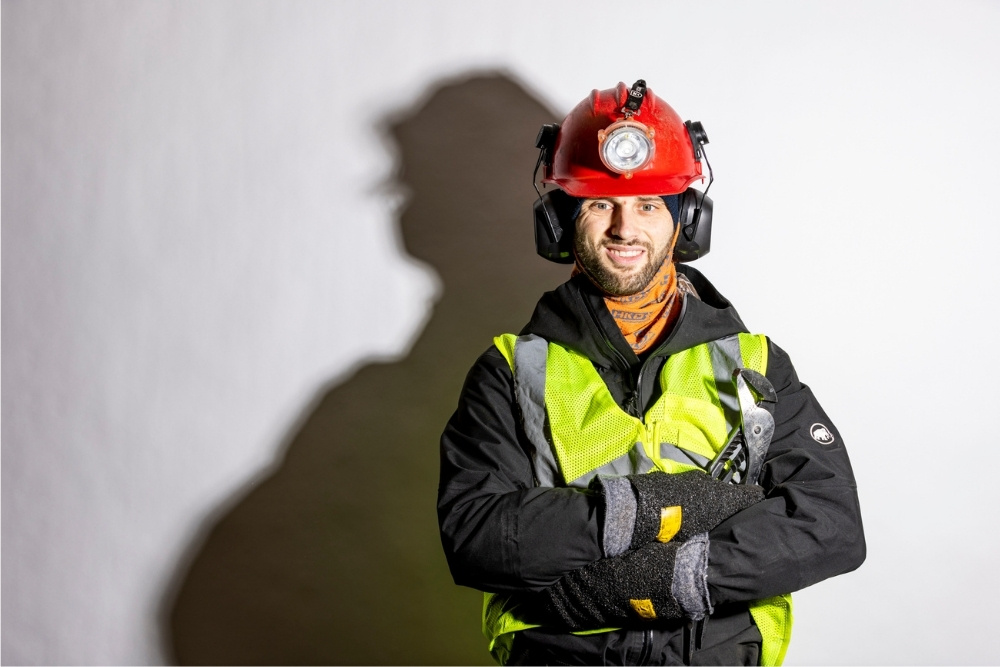
Greg Gleason, Killington Resort's Snowmaking Manager
To summarize, these snowguns have been a gamechanger, in terms of both energy usage and the guest experience for this upcoming spring and beyond. If you’ve been out on the hill this season, you’ve surely seen how quickly and effectively we’ve been able to open up and maintain new terrain. We reached “top-to-bottom" skiing very shortly after opening for the winter and comfortably expanded to Bear and Skyeship by the holidays. Some of this is due to the nature of the snowguns, as fixed snowgun towers do not need to be shuttled around the mountain and constantly re-positioned like portable snowguns do, saving us precious time each time we make snow. A much bigger reason, though, is due to the efficiency of these snowguns, which have produced more snow in less time than ever before.

Corey Tredtin, Killington Resort's Mountain Ops Night Operations Manager
Before we get into more details, here’s a quick and dirty explanation of snowmaking for some background. Water and compressed air get pumped at high pressures up the mountain through pipelines, into hydrants, and finally out of snowguns that create, well, snow. The exact mix of air and water sent through each snowgun depends on outside temperatures—at colder temperatures, not as much air is needed in the mixture, but more is needed in “marginal” temperatures just below freezing. A whole lot more goes into this process, including many hours of planning and labor, but to keep things short, we’ll mostly be talking about the compressed air and water.
A lot of compressed air needs to be produced to make snow, and that’s where most of the energy production and cost for snowmaking comes in. Each of our snowguns intake air that’s pressurized up to 90 psi, while the amount (or volume) of air moving out of our snowguns depends on which type of snowgun is attached to a given hydrant on the mountain. One of our older snowgun models, for instance, requires roughly 460 cubic feet per minute (CFM) of air while making snow at 20°F. Take that 460 CFM number and multiply by how many snowguns we like to operate at once, and the amount of energy needed to output that much air quickly gets much higher.
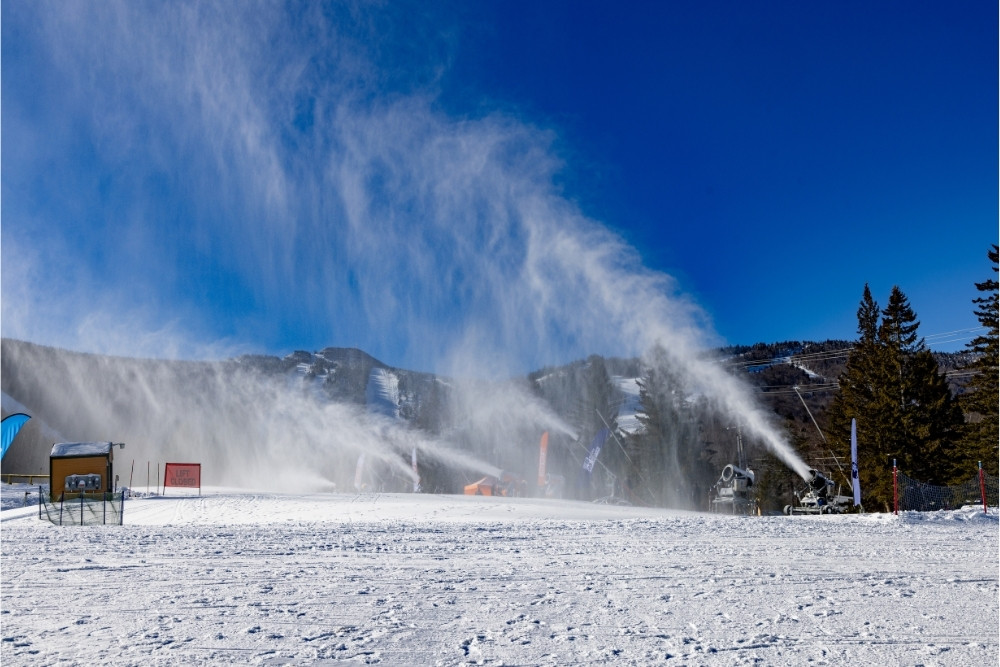
Photo of snowmaking demonstration during NSAA Eastern Winter Conference at Killington from Tuesday, February 3rd
Here’s where our investment comes in. At that same temperature of 20°F, our new low-energy snowguns only need to output 60 CFM to make snow, meaning we can run many more snowguns at once using the same amount of air and energy. In previous years, the highest number of snowguns we could run at one time was somewhere north of 100, but this season, the highest number we hit was 275! Just four winters ago, 15% of our snowgun usage was via low-energy models. This year, that number is all the way up to 67%, leading to our total air consumption being about half of what it was in winter of 2021-2022. Our diesel usage for snowmaking has also declined 83% from four winters ago as we haven’t needed to rent nearly as many diesel-powered air compressors, leading to a savings of around 5.9 million pounds of CO2 emissions.
In short, we’re no longer held back by our capacity to feed air to our snowguns. Because of this, we’re getting more snow onto the hill at one time than we ever have before. As of February 26th, we had already made 25% more snow compared to that same date last season. With half of the new low-energy snowguns installed before last season, that info is no outlier—we were also 25% ahead of the average amount of snow made in our previous five winters. Longtime Beast fans may recall us running snowguns at times a bit further into March, but with these new snowguns, that won’t be necessary. We’ve ultimately made more snow than in previous years in less total operating time.
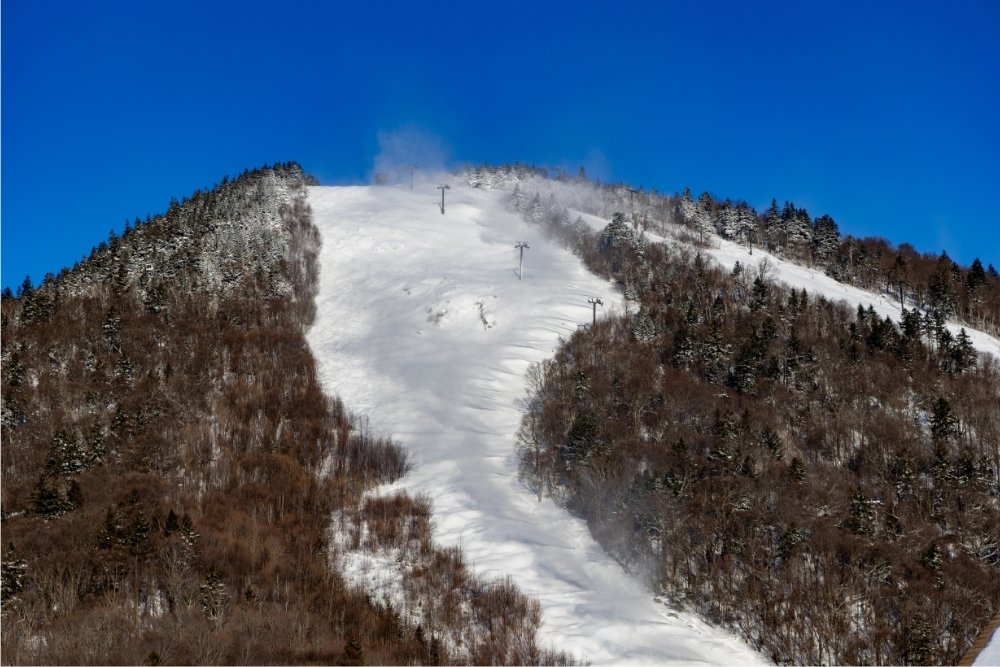
Photo of snowmaking on Devil’s Fiddle from Friday, February 13th
Now, we can’t take all the credit for how good the skiing & riding has been this winter in particular. Temperatures have cooperated nicely, especially in the early season, for us to build a solid base and maintain it all winter long (it even got a little “too cold for snowmaking” by early February). However, we can take credit for how we’ve responded to nice temps, running our snowguns long after most every other resort hung it up for the season. We know it takes a lot of snow to maintain the longest season in the East, and we’ve acted accordingly.
Leica LiDAR scans obtained from our grooming team at the end of February have confirmed this. As you can see below, base depths are holding up nicely on not just Superstar, but areas all around the mountain that look to be lift-serviced into late April:
Superstar Glacier Snow Depth - as of 2/25/26
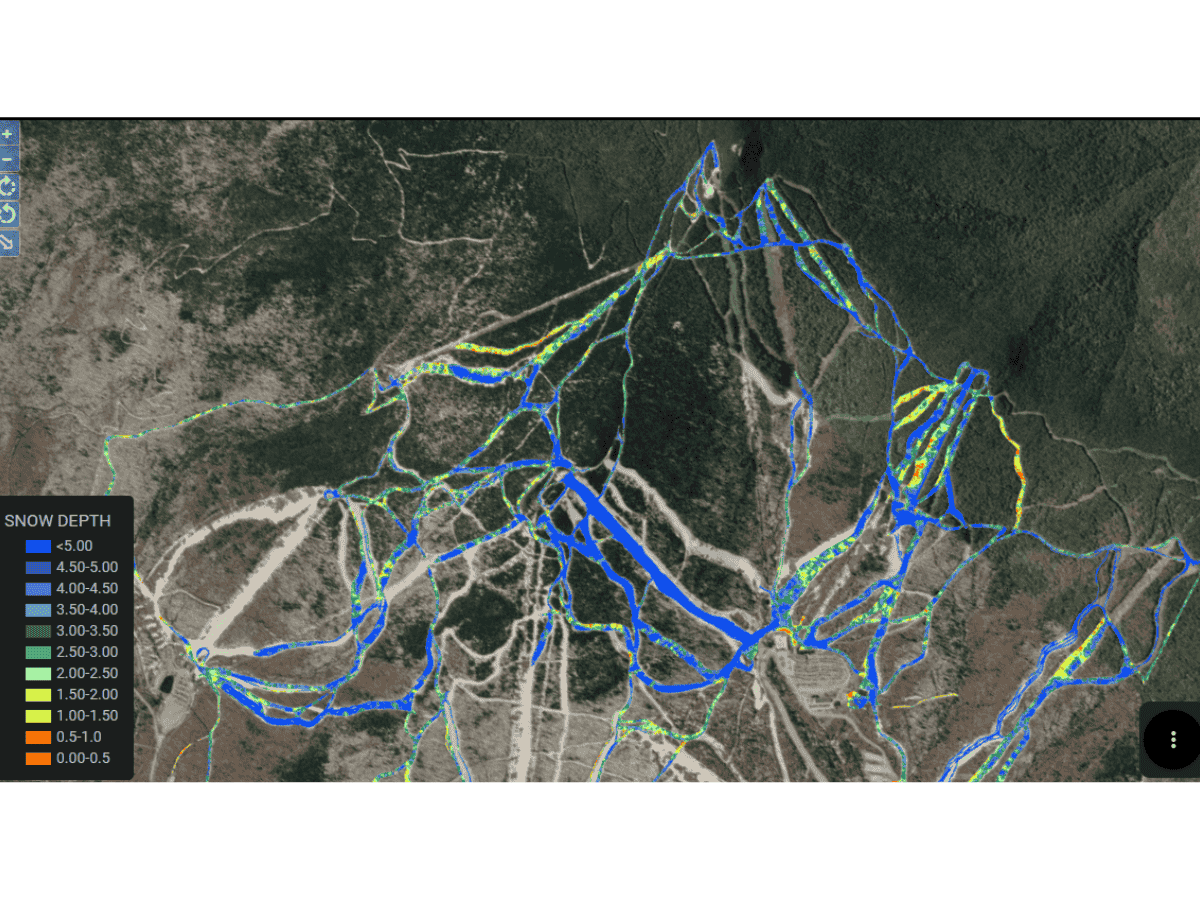
Leica scan photos – full mountain & Superstar from 2/25/26
Of course, Superstar’s snow depths stand out the most in these scans, with the bottom of Superstar leading the way by currently holding well over 25’ of snow. This fact is no accident either. When installing the new Superstar Six this past summer, our Mountain Ops teams identified the hardest parts of the trail to keep snow on and planned accordingly, making key upgrades to our snowmaking infrastructure along the way to maintain as much snow on the trail as possible.
Compared to its predecessor, the Superstar Express Quad, tower 4 of the Superstar Six was moved 85’ uphill so it was no longer in the middle of Preston’s Pitch, a spot where we weren’t able to make (and hold onto) enough snow in the past. Just this change has helped the trail hold snow better and made grooming easier, ultimately leading to a much-improved trail for hosting future Killington Cup races. The load and unload stations were both raised by a couple of feet, leading to snow being held more efficiently up top as well. Plus, the lift now runs clockwise, meaning its load ramp is much shorter than before and does not need nearly as much snow to maintain. Every bit counts once temperatures get warmer!
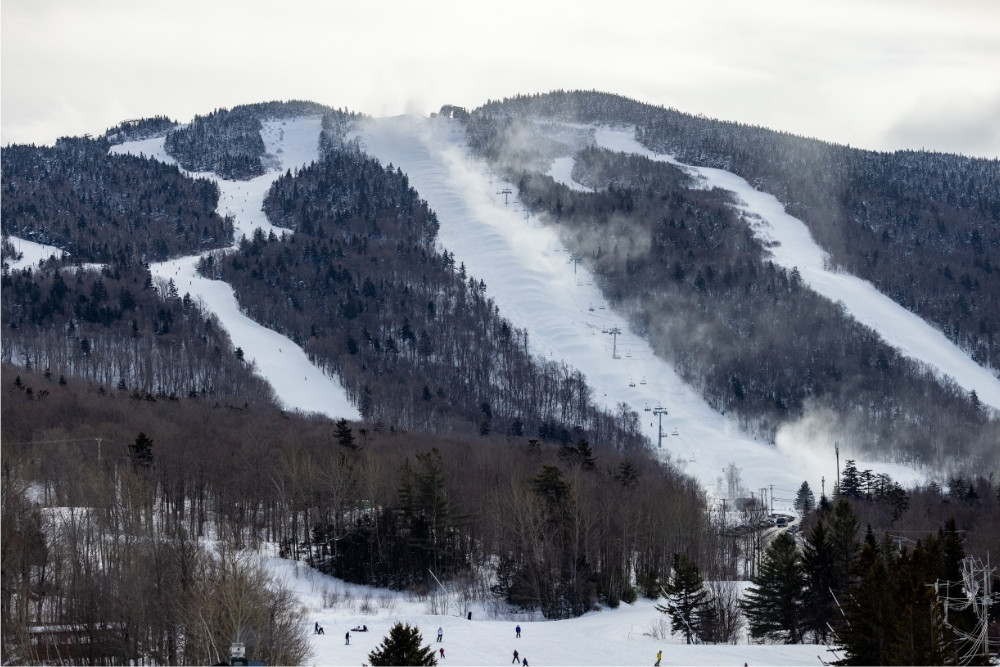
Photo of snowmaking on Superstar from Friday, February 6th
Regarding snowmaking, this past summer's upgrades are almost too numerous to list in one place. The water pipeline all along Superstar was replaced and upsized in the process (6” in diameter to 10”), meaning the snowmaking team is no longer limited by water capacity—they can now use as much as necessary, regardless of the temperature. The number of low-energy tower snowguns on the middle of the trail increased from 18 to 50, with some of them just 20’ apart from each other, a level of spacing that’s essentially unheard of on any other trail you might come across. New “spur” pipelines installed at both the top and bottom of the trail now let us make snow from differing angles to combat any challenging winds. All this has increased the max number of snowguns we’re able to run on Superstar from 125 to over 150, a true “World Cup” level of snowmaking firepower.
Of the $38 million we invested around the mountain in summer of 2025, over $1 million was spent solely on Superstar’s trail work and new snowmaking infrastructure. Additionally, our winter grooming team is made up of many of the same folks who helped make these improvements over the summer. Building this year-round construction crew does more than just create full-time jobs for hardworking members of our community. The team brings invaluable knowledge of the mountain as well as motivation to make changes that both make their future jobs easier and enhance the guest experience.
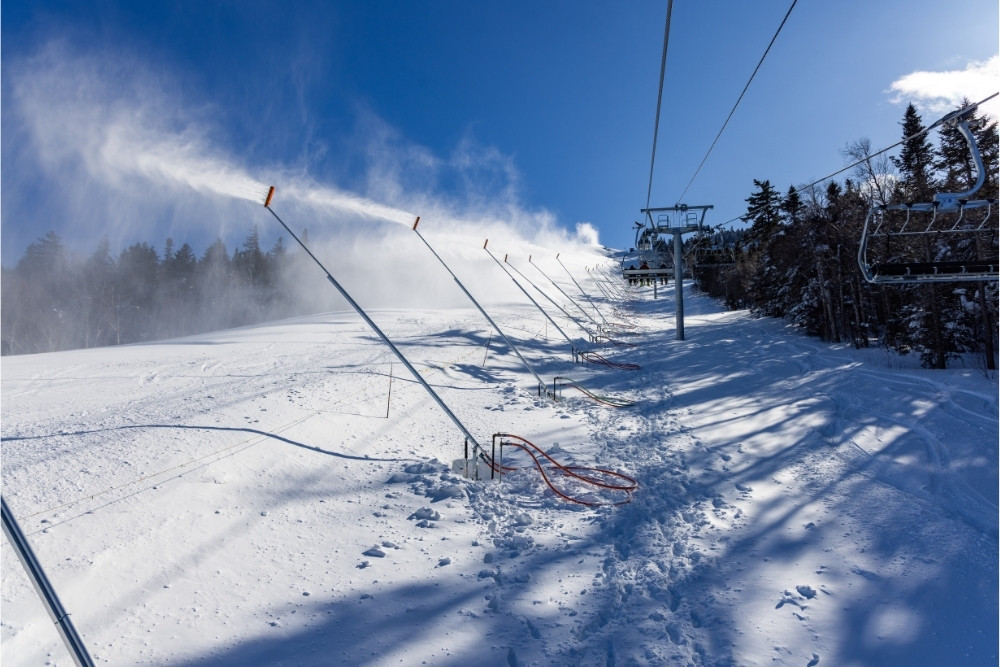
Photo of snowmaking on Superstar from Thursday, February 26th
Looking slightly ahead, as long as Mother Nature cooperates enough, we should be in for another classic Killington spring season. The man-made snow from low-energy snowguns is more compact and durable, meaning it holds up better under our groomers and should melt out slower during late spring than natural snow alone would. Though we've completed most of our snowmaking for this season, if temperatures fall into place again in the near future, we haven’t committed to fully shutting off the system yet. As always, we’re dedicated to giving our guests the best possible on-snow experience, and we hope you’ve enjoyed the results of this investment so far.